The Strand presented a multifaceted, intergenerational project exploring the questions: “What did ‘Our Freedom’ mean in east Belfast at the end of the Second World War, and what does it mean today?”
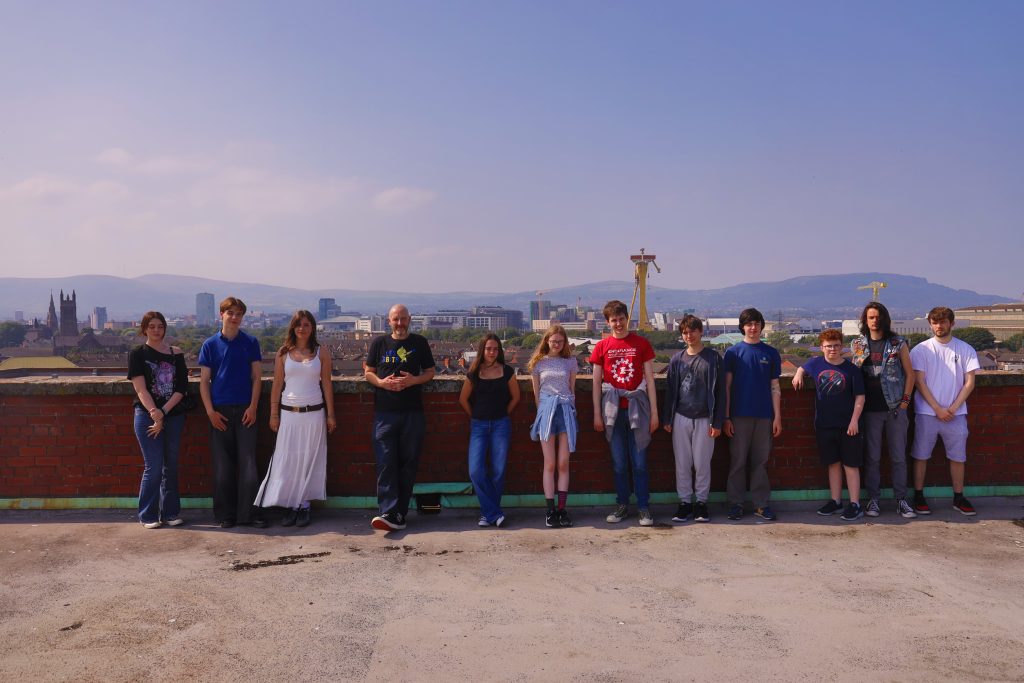
The project incorporated oral history interviewing, film‑making workshops, photography workshops, site visits, talks and film screenings. It brought together a diverse range of people – from local schoolchildren to care home residents, and a variety of artists – to explore the impact of the Second World War on east Belfast and to probe the concept of ‘freedom’. Many participants and visitors later described the experience as “beautiful”, noting how powerfully local history was “woven with newer perspectives”.
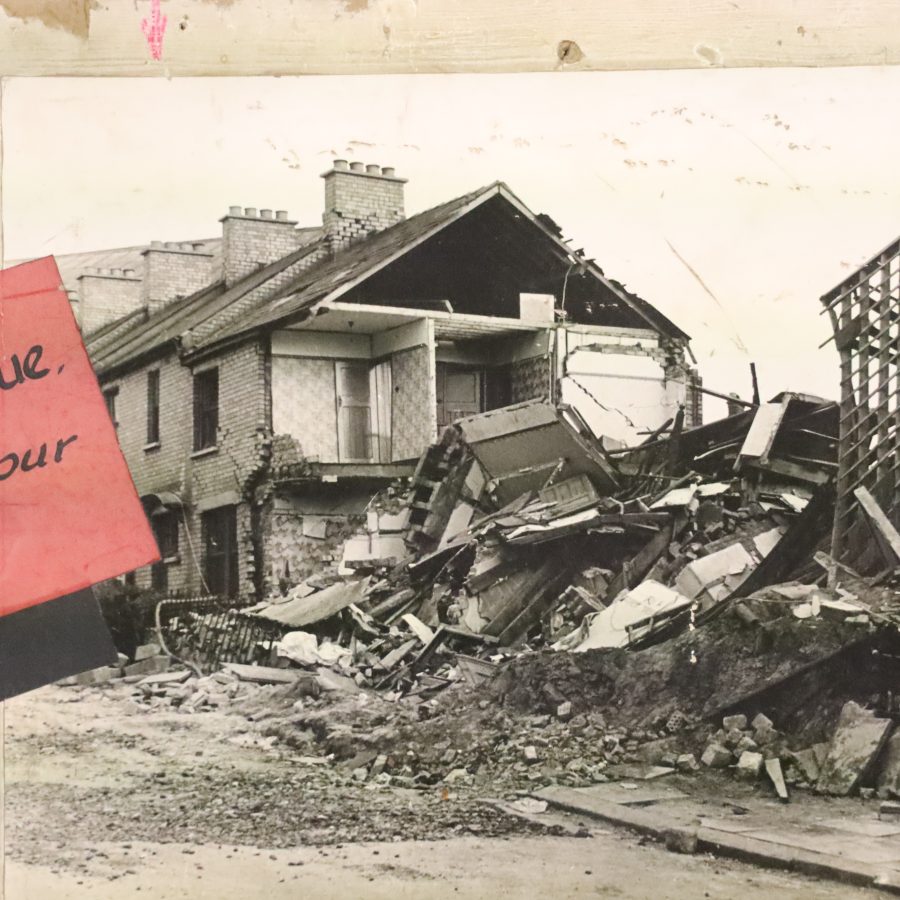
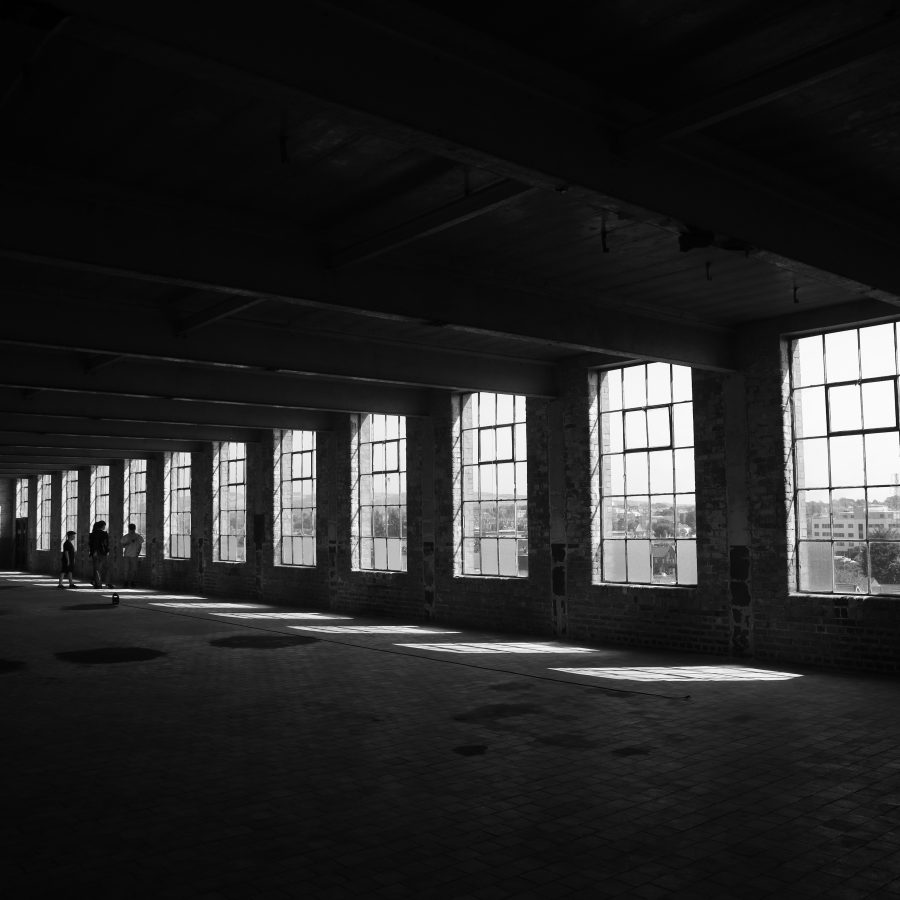
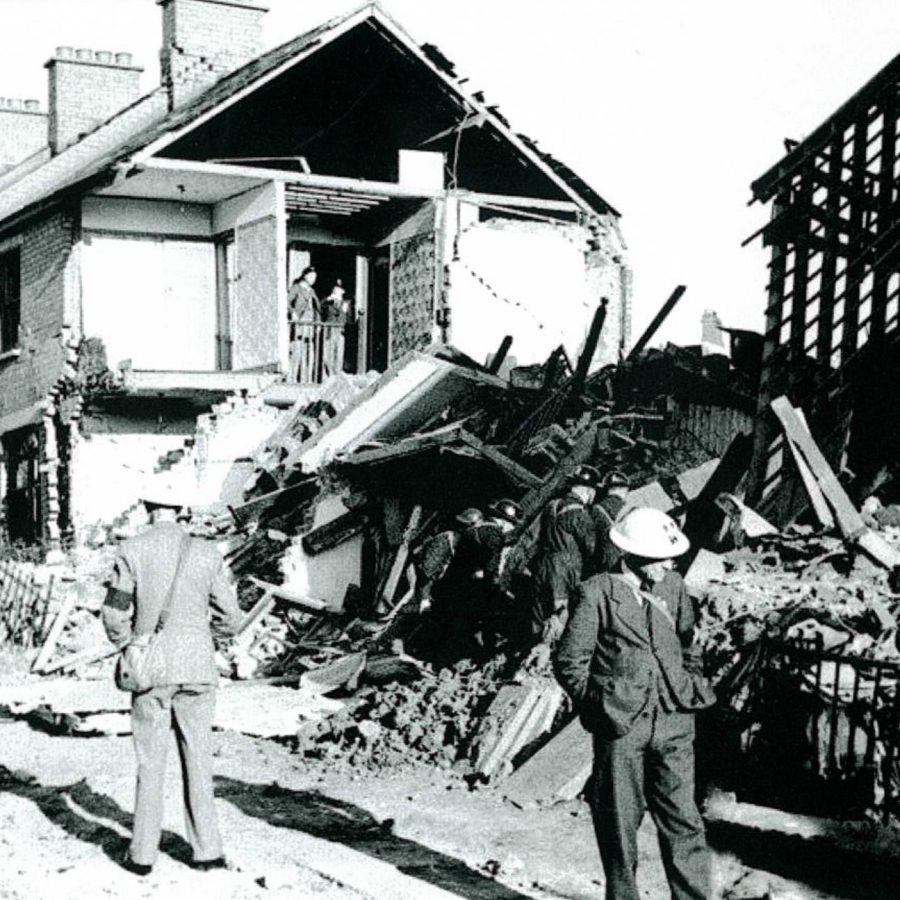
A special immersive event in the former Strand Spinning Mill concluded the project. This unique space, which offers spectacular views across the city and survived the Belfast Blitz despite extensive damage in its locality, provided a fitting site to reflect on change and constancy in east Belfast and to consider how ideas of ‘freedom’ have shifted over the last 80 years. Audience members found the setting deeply affecting, describing it as a “very sobering experience” that not only evoked the events of the Blitz but also highlighted the resilience shown by local communities during more recent periods of conflict, including the Troubles. Many also valued the way the event brought young people’s hopes and aspirations into the conversation, seeing this intergenerational exchange as a powerful and positive element of the project.
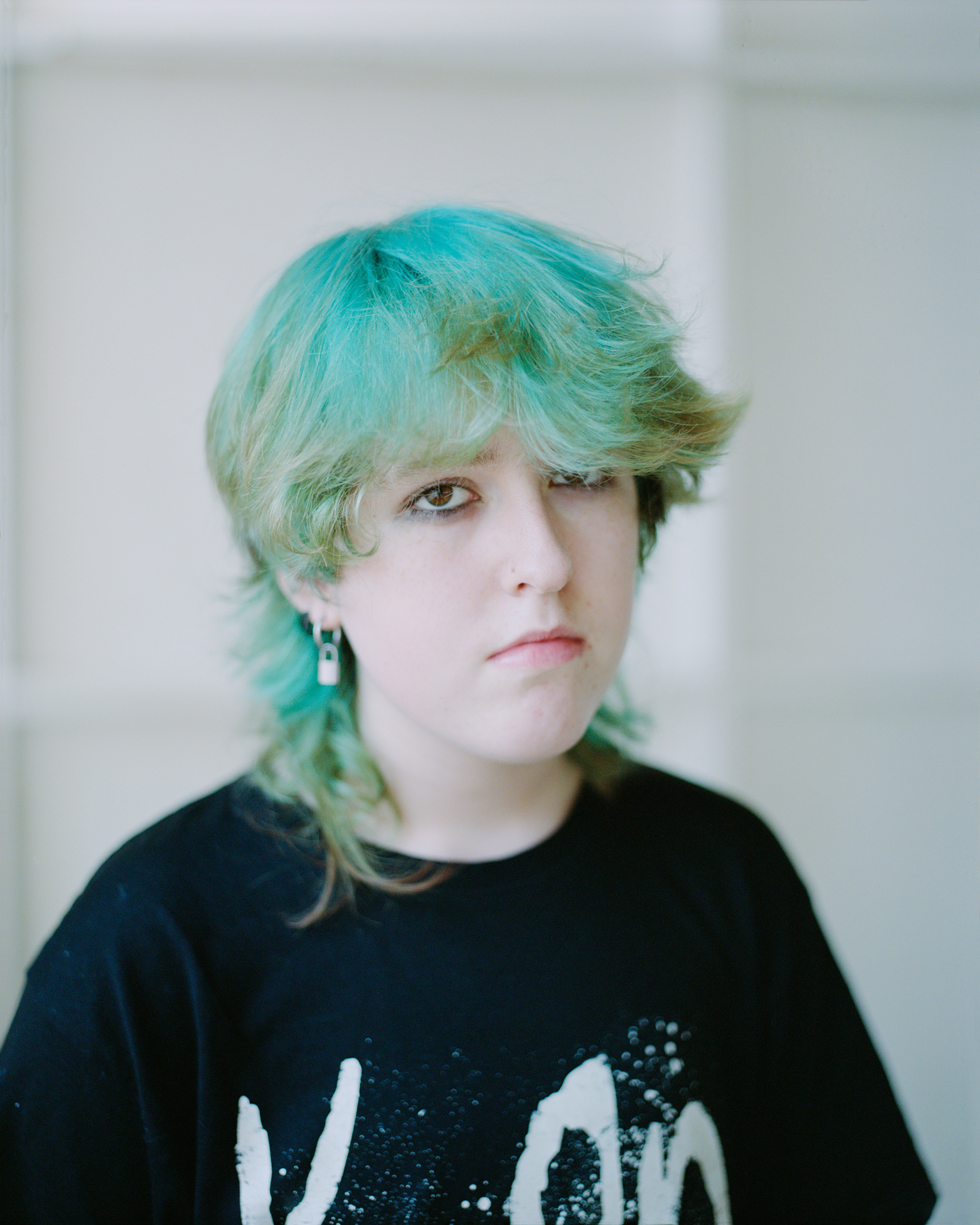
The showcase event featured a photographic exhibition within the atmospheric former mill floor, alongside the premieres of two short films. The exhibition included portraits by photographer Chad Alexander of project participants, ranging from young teenagers to 100‑year‑old Bertha. Freedom was written, directed and performed by young people under the mentorship of film‑maker Michael MacBroom, filmed on location at the former spinning mill. A new film by Will McConnell wove together oral history, archival footage and photographs, alongside contemporary material, to reflect on the impact of the Second World War on east Belfast and how concepts of ‘freedom’ have evolved since 1945. One particularly poignant moment arose when students from local drama group NiStars acted out oral testimonies collected from those who lived through the Belfast Blitz – a sequence that audiences described as bringing “the past to life” in an especially engaging and imaginative way.
Overall, feedback was overwhelmingly positive, with many celebrating the creativity of the young people involved and the project’s ability to illuminate both historical experience and contemporary understandings of freedom.
View more on the venue's website